Introduction
In the corporate world’s fast-paced and often demanding landscape, stress has become an inevitable companion for many employees and employers alike. From tight deadlines to heavy workloads and the constant pressure to perform, navigating the challenges of modern workplaces can take a toll on one’s mental and emotional well-being. However, amidst the chaos, there exists a powerful antidote capable of transforming workplace stress into a catalyst for success: creativity through art.

Welcome to “Artful Escape: 7 Ways Creativity Can Transform Workplace Stress into Success.” In this blog, we’ll embark on a journey to explore the profound impact of artistic expression on alleviating stress and fostering a more positive and productive work environment. Through insightful discussions and practical strategies, we’ll delve into how integrating art-based activities into the corporate setting can not only alleviate stress but also unlock untapped potential, enhance teamwork, and ignite innovation. Join us as we uncover the hidden potential of creativity as a tool for navigating the challenges of the modern workplace, transforming stress into success one brushstroke at a time.
Understanding Workplace Stress
Definition and Common Sources of Stress in the Workplace
Workplace stress can be defined as the physical, emotional, and psychological strain experienced by employees due to various pressures and demands present in their work environment. These pressures can stem from a multitude of sources, including:

Tight Deadlines: The pressure to meet deadlines can create significant stress for employees, especially when faced with limited time and resources to complete tasks or projects.
Heavy Workloads: Excessive workloads, whether in terms of quantity or complexity, can overwhelm employees and contribute to feelings of stress and burnout.
Interpersonal Conflicts: Conflicts with colleagues, managers, or clients can create tension and stress in the workplace, affecting both individual well-being and team dynamics.
Uncertainty and Job Insecurity: Ambiguity surrounding job stability, changes in organizational structure, or the threat of layoffs can fuel anxiety and stress among employees.
Lack of Control: Feeling powerless or lacking autonomy over one’s work can lead to feelings of frustration and stress, particularly when employees perceive a disconnect between their skills and the tasks assigned to them.
High Expectations: Unrealistic performance expectations or pressure to constantly achieve results can contribute to feelings of inadequacy and stress among employees.
Work-Life Imbalance: Difficulty balancing work responsibilities with personal or family commitments can lead to stress and negatively impact overall well-being.
Importance of Addressing Workplace Stress for Employee Well-being and Organizational Productivity

Addressing workplace stress is crucial for both the well-being of employees and the overall productivity and success of an organization. Here’s why:
Employee Health and Well-being: Prolonged exposure to stress can have detrimental effects on physical and mental health, increasing the risk of conditions such as anxiety, depression, cardiovascular disease, and burnout. By addressing workplace stress, organizations can promote a healthier and more supportive work environment, reducing the risk of employee illness and absenteeism.
Employee Engagement and Satisfaction: High levels of stress can lead to disengagement, decreased job satisfaction, and higher turnover rates. Conversely, when employees feel supported and their well-being is prioritized, they are more likely to feel engaged, motivated, and satisfied with their work, leading to increased retention and loyalty.
Productivity and Performance: Chronic stress can impair cognitive function, decision-making, and problem-solving abilities, ultimately hindering individual and organizational performance. By proactively addressing workplace stress and promoting a culture of well-being, organizations can enhance employee resilience, creativity, and productivity, driving overall success and competitiveness.
In summary, recognizing and addressing workplace stress is essential for creating a positive and productive work environment where employees can thrive, contributing to both individual well-being and organizational success.
The Power of Creativity in Stress Management
Engaging in creative activities, particularly art, can serve as a potent tool for managing stress and promoting overall well-being. Here’s how:
Promoting Relaxation: Creativity provides an outlet for relaxation by allowing individuals to focus their attention on the present moment and immerse themselves in the creative process. Whether it’s painting, drawing, sculpting, or crafting, engaging in artistic activities can induce a state of flow—a mental state characterized by deep concentration and a sense of effortless involvement—which promotes relaxation and reduces feelings of stress and anxiety.
Facilitating Self-Expression: Artistic expression offers a unique avenue for individuals to communicate their thoughts, emotions, and experiences in a non-verbal and cathartic manner. Through art, individuals can externalize their innermost feelings, process complex emotions, and gain insights into their thoughts and behaviours. This act of self-expression can provide a sense of relief, validation, and empowerment, allowing individuals to navigate and cope with stress more effectively.
Providing Cognitive Distraction: Engaging in creative activities can serve as a form of cognitive distraction, redirecting attention away from stressors and negative thoughts towards more positive and constructive pursuits. By immersing oneself in the creative process, individuals can temporarily escape the pressures of work and daily life, allowing them to recharge mentally and emotionally. This cognitive shift can foster a sense of perspective, resilience, and optimism, enabling individuals to better cope with stressors when they inevitably arise.
In addition to its immediate stress-relieving effects, creativity also offers a myriad of long-term psychological benefits that contribute to overall well-being
Improved Mood: Engaging in creative activities has been shown to stimulate the release of neurotransmitters such as dopamine and endorphins, which are associated with feelings of pleasure, reward, and happiness. By promoting positive emotions and reducing negative affect, creativity can uplift mood and enhance emotional resilience, helping individuals’ better cope with stressors and adversity.
Increased Problem-Solving Abilities: Creativity involves thinking outside the box, exploring alternative perspectives, and generating novel solutions to challenges. Through the process of creative problem-solving, individuals develop flexible thinking skills, adaptability, and resilience in the face of uncertainty. These problem-solving abilities not only aid in navigating everyday stressors but also empower individuals to tackle complex problems and innovate in their personal and professional lives.
Enhanced Resilience: Engaging in creative activities fosters a sense of agency and control over one’s environment, which is essential for building resilience in the face of adversity. By tapping into their creativity, individuals develop a sense of confidence, self-efficacy, and resourcefulness, enabling them to bounce back from setbacks and overcome obstacles with greater ease. Creativity cultivates a mind-set of experimentation, learning, and growth, which empowers individuals to adapt, evolve, and thrive in the face of stress and change.
In summary, creativity is a powerful ally in the pursuit of stress management and psychological well-being. By promoting relaxation, self-expression, cognitive distraction, improved mood, problem-solving abilities, and resilience, engaging in creative activities offers a holistic approach to managing stress and cultivating a balanced and fulfilling life. Whether through painting, writing, music, or other forms of artistic expression, embracing creativity can be a transformative journey towards greater resilience, fulfilment, and inner peace.
Way 1: Art Therapy Sessions for Team Bonding and Stress Relief
Introduction to Art Therapy and its Application in Corporate Settings
Art therapy is a form of expressive therapy that utilizes creative techniques, such as drawing, painting, and sculpting, to help individuals explore and express their thoughts, emotions, and experiences in a therapeutic context. While traditionally used in clinical settings to support individuals facing mental health challenges, art therapy has gained recognition for its effectiveness in promoting emotional well-being and stress relief in various non-clinical settings, including the corporate world.
In corporate settings, art therapy sessions are adapted to meet the unique needs and goals of employees and organizations. These sessions typically involve guided art-making exercises facilitated by trained art therapists or facilitators. Through these sessions, participants are encouraged to engage in creative expression as a means of self-discovery, relaxation, and personal growth.
Benefits of Art Therapy Sessions for Team Building, Fostering Open Communication, and Providing a Safe Outlet for Stress Release
Art therapy sessions offer numerous benefits for teams within the corporate environment, including:
Team Bonding: Engaging in collaborative art-making activities fosters a sense of camaraderie and teamwork among participants. Through shared creative experiences, team members develop mutual trust, empathy, and respect, strengthening their interpersonal relationships and sense of unity.
Fostering Open Communication: Art therapy provides a non-verbal means of communication that transcends language barriers and encourages individuals to express themselves freely and authentically. By creating a safe and supportive space for self-expression, art therapy sessions facilitate open communication, vulnerability, and the sharing of ideas and emotions among team members.
Stress Relief and Emotional Regulation: Art therapy offers a constructive outlet for managing stress and healthily processing difficult emotions. Through creative expression, participants can channel their thoughts and feelings into art, reducing tension and promoting relaxation. Additionally, engaging in art-making activities stimulates the release of endorphins, neurotransmitters that contribute to feelings of pleasure and well-being, further enhancing stress relief and emotional regulation.
Enhancing Creativity and Problem-Solving Skills: Art therapy encourages participants to think outside the box, experiment with new ideas, and embrace unconventional approaches to problem-solving. By engaging in creative problem-solving exercises, teams can enhance their innovation and adaptability, fostering a culture of creativity and resilience within the organization.
In summary, art therapy sessions offer a holistic approach to team building, communication, and stress management in the corporate setting. By harnessing the power of creative expression, organizations can cultivate a supportive and collaborative work environment where employees feel empowered to explore their creativity, build meaningful connections, and navigate workplace challenges with resilience and positivity.
Way 2: Creating a Relaxing Art Space in the Workplace
Suggestions for Designing and Implementing a Dedicated Art Space within the Workplace Environment
Assess Available Space: Identify an area within the workplace that can be designated as an art space. This could be a spare room, unused corner, or communal area with sufficient natural light and minimal distractions.
Consider Comfort and Accessibility: Furnish the art space with comfortable seating, tables, and art supplies to accommodate various creative activities. Ensure that the space is easily accessible to all employees and equipped with storage solutions to keep art materials organized.
Promote Inspiration and Creativity: Decorate the art space with inspiring artwork, motivational quotes, and calming colours to create a conducive environment for creativity and relaxation. Incorporate elements of nature, such as plants or water features, to enhance tranquillity and connection with the natural world.
Provide Diverse Art Supplies: Stock the art space with a variety of art materials, including drawing supplies, paints, brushes, canvases, clay, and crafting materials. Encourage employees to explore different mediums and techniques to unleash their creativity and self-expression.
Encourage Personalization: Allow employees to personalize the art space with their own artwork, photographs, or creative projects. Foster a sense of ownership and belonging by inviting employees to contribute to the decoration and upkeep of the space.
Importance of Providing Employees with a Peaceful and Creative Sanctuary where they can unwind and Recharge during Breaks
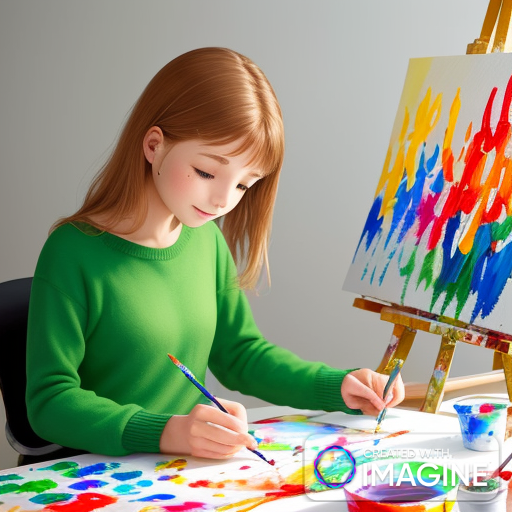
Stress Reduction: A dedicated art space offers employees a retreat from the demands of work, allowing them to decompress and relax during breaks. Engaging in creative activities has been shown to reduce stress levels, promote mindfulness, and improve overall well-being.
Mental Health and Productivity: Providing employees with access to a peaceful and creative sanctuary can have a positive impact on their mental health and productivity. Taking regular breaks to engage in art-making activities can help alleviate stress, boost mood, and enhance cognitive function, leading to increased focus and effectiveness in the workplace.
Employee Engagement and Satisfaction: Investing in employee well-being by creating a relaxing art space demonstrates a commitment to fostering a positive work culture and supporting work-life balance. Employees who feel valued and supported are more likely to feel engaged, motivated, and satisfied with their jobs, leading to higher retention rates and improved morale within the organization.
Stimulating Creativity and Innovation: A dedicated art space provides employees with the opportunity to explore their creativity, experiment with new ideas, and think outside the box. Encouraging creative expression fosters innovation and problem-solving skills, ultimately driving organizational growth and competitiveness.
In summary, creating a relaxing art space in the workplace offers numerous benefits for both employees and organizations, including stress reduction, improved mental health, enhanced productivity, and increased creativity. By prioritizing employee well-being and providing a supportive environment for creative expression, organizations can cultivate a culture of innovation, collaboration, and resilience, contributing to overall success and employee satisfaction.
Way 3: Incorporating Mindfulness into Art Activities
Explanation of How Mindfulness Practices Can Enhance the Therapeutic Benefits of Art-Making
Mindfulness is the practice of being fully present and engaged in the current moment without judgment. When combined with art-making activities, mindfulness enhances the therapeutic benefits by deepening the individual’s connection to the creative process and promoting a state of relaxation and inner awareness.
Engaging in art with mindfulness involves immersing oneself in the sensory experience of creating, paying attention to the sensations of touch, sight, and sound, and observing thoughts and emotions without attachment. By cultivating mindfulness during art-making, individuals can reduce stress, increase self-awareness, and tap into their innate creativity more effectively.
Examples of Mindfulness Techniques that Can be Integrated into Art Activities to Promote Present-Moment Awareness and Stress Reduction
Deep Breathing: Begin art activities with a few moments of deep breathing to centre oneself and cultivate a sense of calm. Encourage participants to focus on the rhythm of their breath as they inhale and exhale slowly and deeply.
Sensory Awareness: Encourage participants to engage their senses fully while creating art. Invite them to notice the texture of the materials, the colours on the palette, and the sounds of their tools. By bringing attention to sensory experiences, individuals can anchor themselves in the present moment and enhance their appreciation for the creative process.
Non-Judgmental Observation: Encourage participants to observe their thoughts and emotions without judgment as they engage in art-making. Remind them that there are no right or wrong outcomes in art and that each mark or stroke is an expression of their unique experience in the moment.
Guided Visualization: Incorporate guided visualization exercises into art activities to promote relaxation and creativity. Invite participants to close their eyes and imagine themselves in a peaceful, natural setting before beginning to create. Encourage them to visualize the colors, textures, and sensations of their surroundings, allowing the imagery to inspire their artwork.
Mindful Movement: Integrate gentle movement exercises, such as stretching or yoga poses, into art sessions to promote body awareness and stress reduction. Encourage participants to move mindfully and with intention, focusing on the sensations of movement and the connection between body and breath.
Reflective Journaling: Provide time for participants to reflect on their art-making experience through journaling or verbal sharing. Invite them to explore their thoughts, emotions, and insights that arose during the creative process, fostering self-awareness and personal growth.
By incorporating mindfulness techniques into art activities, individuals can deepen their engagement with the creative process, reduce stress, and cultivate a greater sense of well-being and inner peace. Mindfulness-based art practices offer a powerful pathway for self-expression, personal growth, and holistic healing.
Way 4: Using Visual Journaling for Self-Reflection and Stress Reduction
Introduction to Visual Journaling as a Tool for Self-Expression, Introspection, and Stress Management
Visual journaling is a creative practice that combines writing, drawing, painting, collage, and other artistic techniques to explore thoughts, emotions, and experiences in a personal journal format. Unlike traditional written journals, visual journals incorporate visual imagery as a means of self-expression, introspection, and creative exploration. Visual journaling offers a unique and versatile tool for individuals to process their thoughts and feelings, gain insight into their inner world, and cultivate a deeper connection with themselves.
Guidance on Starting a Visual Journaling Practice and its Potential Impact on Enhancing Emotional Intelligence and Resilience
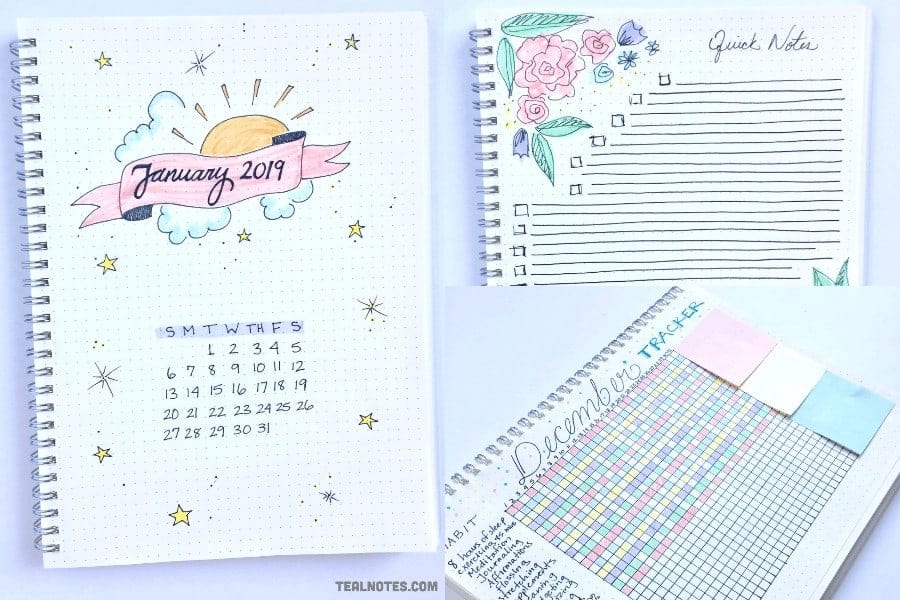
Set Up Your Journal: Begin by selecting a journal or sketchbook that inspires you and feels comfortable to work with. Choose materials that suit your preferences, such as pens, pencils, markers, paints, and collage materials. Create a welcoming space for journaling where you can feel relaxed and focused.
Start Where You Are: There are no rules or limitations when it comes to visual journaling. Begin by allowing yourself to freely express whatever thoughts, emotions, or images come to mind. Trust your intuition and let go of any expectations or judgments about your artistic abilities.
Experiment with Different Techniques: Explore various artistic techniques and mediums in your visual journal, such as drawing, painting, collage, mixed media, and writing. Experiment with colour, texture, shape, and form to convey your thoughts and emotions in a visually engaging way.
Embrace the Process: Visual journaling is not about creating perfect or polished artwork but about the process of self-expression and exploration. Embrace imperfections, mistakes, and spontaneity as integral parts of your creative journey. Allow yourself to play, experiment, and discover new insights along the way.
Reflect and Respond: Take time to reflect on your journal entries and respond to your thoughts and feelings with curiosity and compassion. Use writing prompts, questions, or prompts to deepen your self-awareness and explore underlying themes or patterns in your journaling practice.
Cultivate Emotional Intelligence and Resilience: Visual journaling can enhance emotional intelligence by increasing self-awareness, self-regulation, empathy, and social skills. By expressing and processing emotions through creative means, individuals develop greater insight into their own emotional experiences and gain perspective on challenging situations. Additionally, visual journaling fosters resilience by providing a constructive outlet for managing stress, coping with adversity, and building coping strategies for difficult emotions.
In summary, visual journaling is a powerful tool for self-expression, introspection, and stress management. By incorporating creative techniques into personal journaling practice, individuals can enhance emotional intelligence, cultivate resilience, and foster personal growth and well-being.
Way 5: Group Collaborative Art Projects to Foster Teamwork and Creativity
Exploration of Collaborative Art Projects as a Means of Promoting Teamwork, Creativity, and Camaraderie Among Employees

Collaborative art projects offer a dynamic and engaging way for teams to work together, fostering a sense of camaraderie, creativity, and mutual support. By engaging in collective art-making activities, employees have the opportunity to collaborate, communicate, and problem-solve as a cohesive team, ultimately strengthening interpersonal relationships and enhancing overall teamwork.
Group Mural Painting: Invite team members to collaborate on a large-scale mural painting project. Provide a blank canvas or wall space and encourage participants to contribute their ideas, images, and artistic styles to create a cohesive and visually striking artwork. As the mural evolves, team members must communicate effectively, coordinate their efforts, and problem-solve together to integrate individual contributions into a unified composition.
Collaborative Sculpture Installation: Challenge teams to collaboratively build a three-dimensional sculpture or installation using found objects, recycled materials, or art supplies. Encourage participants to brainstorm creative concepts, delegate tasks, and work together to assemble and arrange the elements of the sculpture. This activity promotes innovation, resourcefulness, and teamwork as teams collaborate to bring their collective vision to life.
Group Collage Creation: Provide teams with a variety of magazines, newspapers, photographs, and art materials, and challenge them to collaboratively create a collage that represents their shared values, goals, or vision. Teams must work together to select and arrange images and materials, communicate their ideas effectively, and negotiate creative decisions to achieve a cohesive and meaningful composition. This activity encourages teamwork, creativity, and self-expression as teams collaborate to convey their collective identity through visual storytelling.

Team-Based Printmaking: Introduce teams to the process of printmaking and challenge them to collaboratively design and produce a series of prints using relief, intaglio, or screen printing techniques. Teams must collaborate to develop a cohesive design concept, carve or prepare printing plates, and coordinate their efforts to produce a series of prints that reflect their collective vision. This activity promotes problem-solving, communication, and innovation as teams navigate the technical challenges of printmaking while working together to achieve their artistic goals.
Interactive Installation or Performance Art: Encourage teams to collaborate on an interactive installation or performance art piece that engages viewers and invites participation. Teams can explore themes of communication, collaboration, or community through interactive elements such as soundscapes, kinetic sculptures, or participatory performances. This activity promotes creativity, teamwork, and audience engagement as teams collaborate to create a memorable and immersive art experience.
In summary, collaborative art projects offer valuable opportunities for teams to collaborate, communicate, and innovate together, fostering a sense of teamwork, creativity, and camaraderie among employees. By engaging in collective art-making activities, teams can strengthen relationships, build trust, and unleash their collective creativity to achieve shared goals and objectives.
Way 6: Organizing Art Exhibitions or Competitions to Promote Engagement
Benefits of Organizing Art Exhibitions or Competitions within the Workplace to Showcase Employee Talents and Creativity

Recognition and Appreciation: Organizing art exhibitions or competitions provides a platform for employees to showcase their artistic talents and creative achievements. It offers an opportunity for recognition and appreciation of employees’ diverse skills and abilities beyond their professional roles.
Employee Engagement and Morale: Art events create a sense of excitement and anticipation among employees, encouraging active participation and engagement. The opportunity to contribute artwork or participate in competitions fosters a sense of ownership and pride in one’s work, boosting morale and motivation within the workplace.
Building Community and Connection: Art exhibitions and competitions bring employees together in celebration of creativity and artistic expression, fostering a sense of community and connection within the workplace. It provides a platform for employees to interact, share feedback, and build relationships across departments and hierarchies.
Promoting Diversity and Inclusion: Art events offer a space for celebrating diversity and inclusion by showcasing artwork from employees of different backgrounds, perspectives, and experiences. It promotes a culture of acceptance and appreciation for individual differences, contributing to a more inclusive and supportive work environment.
Stimulating Creativity and Innovation: Encouraging employees to participate in art exhibitions or competitions sparks creativity and innovation by providing an outlet for self-expression and experimentation. It inspires employees to think outside the box, explore new ideas, and push the boundaries of their creative potential.
Strategies for Planning and Executing Successful Art Events that Engage Employees and Foster a Sense of Pride and Accomplishment
Define Objectives and Themes: Determine the goals and themes of the art event, whether it’s showcasing employee artwork, promoting a specific cause or theme, or fostering creativity and collaboration. Clearly communicate the objectives to employees to ensure alignment and participation.
Provide Support and Resources: Offer support and resources to employees interested in participating, such as access to art supplies, guidance from experienced artists, or workshops to develop their skills. Encourage employees at all levels of experience to contribute artwork and participate in the event.
Create Opportunities for Collaboration: Incorporate collaborative art projects or team-based competitions into the event to encourage teamwork and creativity. Provide opportunities for cross-departmental collaboration and networking to promote a sense of unity and collective achievement.
Promote Employee Engagement: Use various communication channels, such as email newsletters, intranet announcements, posters, and social media, to promote the art event and encourage employee participation. Generate excitement and anticipation through teaser campaigns, sneak peeks of artwork, and countdowns to the event.
Celebrate and Recognize Contributions: Recognize and celebrate the contributions of participating employees by showcasing their artwork prominently during the event. Consider hosting an opening reception or awards ceremony to honour standout pieces, highlight employee achievements, and thank participants for their creativity and dedication.
Solicit Feedback and Evaluation: Gather feedback from employees following the event to evaluate its impact and identify areas for improvement. Encourage participants to share their experiences, suggestions, and ideas for future art events, fostering a culture of continuous improvement and employee engagement. By organizing art exhibitions or competitions within the workplace, organizations can harness the power of creativity to engage employees, showcase their talents, and foster a culture of pride, accomplishment, and collaboration.
Way 7: Integrating Art-Based Techniques into Meetings and Brainstorming Sessions
Practical Ways to Incorporate Art-Based Techniques, Such as Drawing or Visualization Exercises, into Meetings and Brainstorming Sessions to Stimulate Creativity and Fresh Perspectives

Visual Note-Taking: Encourage participants to take visual notes during meetings and brainstorming sessions by sketching concepts, ideas, and key points discussed. Visual note-taking allows individuals to engage both hemispheres of the brain, enhancing comprehension, retention, and creative thinking.
Mind Mapping: Use mind mapping techniques to visually represent ideas, connections, and relationships discussed during meetings. Invite participants to create collaborative mind maps using markers, sticky notes, or digital tools, facilitating visual organization and exploration of complex topics.
Doodling and Sketching: Encourage participants to engage in doodling or sketching activities as a means of brainstorming and idea generation. Provide drawing materials and invite individuals to doodle freely or sketch visual representations of their thoughts, allowing for spontaneous creativity and fresh perspectives.
Visual Metaphors: Incorporate visual metaphors into discussions and problem-solving exercises to stimulate creativity and promote deeper understanding. Encourage participants to use images, symbols, or drawings to represent abstract concepts, sparking new insights and innovative solutions.
Collaborative Drawing: Facilitate collaborative drawing exercises where participants work together to create a collective artwork based on a specific theme or prompt. This activity promotes teamwork, communication, and shared ownership of ideas, fostering a sense of collaboration and creativity within the group.
Examples of How Art-Based Activities Can Facilitate Idea Generation, Problem-Solving, and Team Collaboration
Storyboarding: Use storyboarding techniques to visually outline concepts, processes, or project plans discussed during meetings. Invite participants to sketch sequential images or scenes depicting key milestones, objectives, and actions, facilitating visual storytelling and alignment of goals.
Visual Problem-Solving: Use drawing or visualization exercises to explore alternative solutions to complex problems or challenges. Encourage participants to visually represent different perspectives, scenarios, or outcomes, promoting divergent thinking and creative problem-solving.
Concept Mapping: Facilitate concept mapping exercises to visually organize and connect ideas generated during brainstorming sessions. Invite participants to create visual diagrams or flowcharts that illustrate the relationships between concepts, identify patterns, and uncover insights, fostering clarity and coherence in decision-making.
Image-Based Reflection: Use artwork, photographs, or visual prompts as catalysts for reflection and discussion during meetings. Invite participants to select or create images that resonate with them personally or symbolize their aspirations, values, or concerns, sparking meaningful dialogue and deeper self-awareness within the group.
Visual Icebreakers: Use art-based icebreaker activities to energize meetings and foster connection among participants. For example, invite participants to draw or share a visual representation of their mood, mindset, or goals for the meeting, encouraging openness, creativity, and engagement from the outset.
By integrating art-based techniques into meetings and brainstorming sessions, organizations can unleash the creative potential of their teams, stimulate fresh perspectives, and foster collaboration and innovation. These practical strategies promote active engagement, enhance communication, and inspire creative thinking, ultimately leading to more effective problem-solving and decision-making processes.
Conclusion: Harnessing Creativity for Workplace Success
In conclusion, we have explored seven powerful ways in which creativity can transform workplace stress into success
Through art therapy sessions, employees can find solace and relief, bonding with their team while navigating stressors together. For more information on corporate workshops you can reachout to www.bariascreation.com
Creating a relaxing art space within the workplace offers employees a sanctuary to unwind, fostering well-being and rejuvenation.
By incorporating mindfulness into art activities, employees can cultivate present-moment awareness and find inner peace amidst their busy schedules.
Visual journaling serves as a tool for self-reflection and stress reduction, allowing employees to explore their thoughts and emotions through artistic expression.
Engaging in group collaborative art projects promotes teamwork, creativity, and camaraderie among employees, fostering a culture of collaboration and support.
Organizing art exhibitions or competitions showcases employee talents and creativity, fostering a sense of pride, engagement, and community within the workplace.
Integrating art-based techniques into meetings and brainstorming sessions stimulates creativity, problem-solving, and team collaboration, unlocking innovative solutions and driving organizational success.
Emphasizing the importance of fostering a culture of creativity and providing opportunities for artistic expression is paramount in enhancing employee well-being, engagement, and organizational performance. By prioritizing creativity in the workplace, organizations can create environments where employees feel inspired, valued, and empowered to contribute their unique talents and perspectives. Through art and creative expression, employees can navigate stress more effectively, foster meaningful connections with colleagues, and unlock their full potential, ultimately driving success and innovation within the organization. As we harness the power of creativity, let us continue to nurture a culture that celebrates imagination, embraces diversity, and cultivates a thriving environment where both individuals and organizations can thrive.