Introduction
In the fast-paced world of corporate life, burnout is an all too familiar foe, relentlessly stalking the minds of executives, managers, and employees alike. The pressure to perform, meet deadlines, and navigate complex challenges can leave even the most resilient professionals feeling drained and overwhelmed. However, amidst the chaos of conference calls and endless emails, there lies a tranquil oasis: the world of painting.
Art, often seen as a leisurely pursuit or a hobby relegated to weekends, holds within its colorful palette a multitude of benefits for weary corporate minds. Beyond mere recreation, painting offers a sanctuary where stress dissipates, creativity flourishes, and mental well-being finds solace. In this blog, we delve into the therapeutic power of painting and explore seven compelling ways it can help brush away burnout and revitalize the corporate psyche. From fostering mindfulness to igniting innovative thinking, each stroke of the brush holds the potential to transform the way we approach our professional lives. So, to brush away burnout, grab your canvas and let’s embark on a journey to uncover the soothing benefits of painting for corporate minds.
The Therapeutic Benefits of Painting
1. Promotion of Mindfulness:
Painting often requires individuals to focus their attention on the present moment, engaging fully with the task at hand. This focused attention on painting can promote mindfulness, a mental state characterized by heightened awareness of thoughts, feelings, bodily sensations, and the surrounding environment without judgment. When individuals immerse themselves in the act of painting, they become absorbed in the process, allowing them to temporarily disconnect from stressors and distractions. This mindfulness practice can help reduce stress by promoting relaxation, improving mood, and enhancing overall well-being.
2. Reduction of Anxiety:
Engaging in creative activities like painting has been shown to reduce levels of anxiety and promote feelings of calmness and relaxation. Painting provides a creative outlet for expressing emotions and channeling negative energy into something constructive. The act of painting can serve as a form of self-expression, allowing individuals to explore and process their emotions in a non-verbal way. This expressive outlet can be particularly beneficial for individuals experiencing anxiety, as it provides a means of releasing pent-up tension and promoting emotional regulation. Additionally, the rhythmic and repetitive motions involved in painting can induce a meditative state, further reducing anxiety levels and promoting a sense of inner peace.
3. Fostering Creativity:
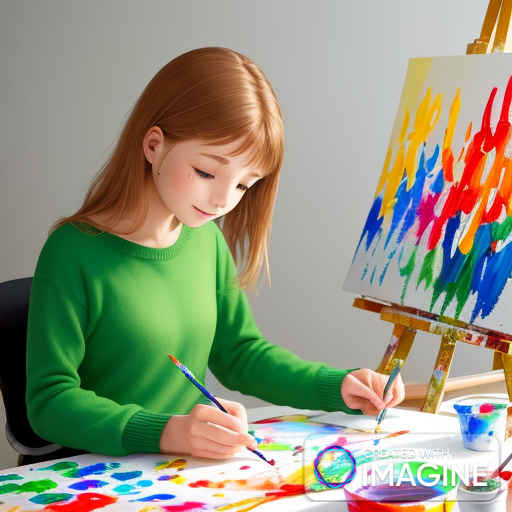
Engaging in painting stimulates the imagination and encourages creative thinking. When individuals paint, they are encouraged to explore new ideas, experiment with different techniques, and think outside the box. This creative process can be inherently rewarding and enjoyable, fostering a sense of accomplishment and fulfillment. Creativity has been linked to numerous psychological benefits, including increased resilience, improved problem-solving skills, and enhanced mood. By encouraging creativity through painting, individuals can develop a positive mindset and perspective, allowing them to better cope with stress and adversity in the corporate world.
In summary, painting promotes stress relief through various psychological mechanisms, including the promotion of mindfulness, the reduction of anxiety, and the fostering of creativity. By engaging in painting, individuals can cultivate a sense of presence, find solace in self-expression, and tap into their innate creativity, ultimately leading to improved well-being and resilience in the face of workplace stressors.
Painting has been shown to stimulate different regions of the brain, activate the release of feel-good neurotransmitters like dopamine, and encourage relaxation through tactile engagement, contributing to its therapeutic effects on stress relief and overall well-being.
1. Brain Stimulation:

When individuals engage in painting, various regions of the brain are activated, including areas associated with creativity, emotion regulation, and sensory processing. Studies using neuroimaging techniques such as functional magnetic resonance imaging (fMRI) have demonstrated increased activity in the prefrontal cortex, which is involved in higher-order cognitive functions such as decision-making and problem-solving, as well as in the amygdala, which plays a key role in processing emotions.
Additionally, painting stimulates the visual cortex, responsible for processing visual information, as individuals observe and interpret colors, shapes, and forms on the canvas. The engagement of multiple brain regions during painting contributes to cognitive stimulation, neural connectivity, and overall brain health.
2. Release of Neurotransmitters:

Engaging in creative activities like painting has been shown to activate the release of neurotransmitters such as dopamine, which plays a crucial role in the brain’s reward system and is associated with feelings of pleasure, motivation, and reward. Dopamine release is triggered by the anticipation and experience of rewards, including the sense of accomplishment and satisfaction derived from completing a painting or expressing oneself creatively.
The release of dopamine during painting can enhance mood, promote feelings of happiness and well-being, and reduce stress and anxiety. This neurochemical response reinforces the positive associations with painting and encourages individuals to continue engaging in creative pursuits as a means of self-expression and stress relief.
3. Tactile Engagement and Relaxation:

Painting involves tactile engagement with art materials such as paintbrushes, paints, and canvases, providing sensory feedback and promoting relaxation. The act of applying paint to canvas, feeling the texture of the surface, and manipulating the materials with one’s hands can be inherently soothing and calming. You can connect with Baria’s Creation www.bariascreation.com for organizing a corporate art workshops.
Tactile engagement with art materials has been shown to activate the parasympathetic nervous system, responsible for the body’s “rest and digest” response, leading to decreased heart rate, muscle tension, and levels of stress hormones such as cortisol. This tactile stimulation fosters a sense of physical relaxation and embodied presence, further enhancing the overall therapeutic effects of painting on stress relief and well-being.
In summary, painting stimulates different regions of the brain, activates the release of feel-good neurotransmitters like dopamine, and encourages relaxation through tactile engagement. These neurobiological mechanisms contribute to the therapeutic effects of painting on stress relief, mood enhancement, and overall cognitive and emotional well-being, highlighting the potential of painting as a valuable tool for promoting mental health and resilience.