Introduction
Step into the world of artistry, where questions about every brushstroke tells a story. In this blog, we embark on a journey of discovery, exploring intriguing inquiries that unveil the depths of artistic expression. From pondering the purpose of art to unravelling the influence of art movements, we delve into the rich tapestry of creativity that shapes our cultural landscape. Join us as we navigate through galleries and museums, where masterpieces await and each stroke of genius sparks curiosity and contemplation. Whether you’re an art enthusiast or a curious observer, prepare to be captivated by the fascinating world of art.
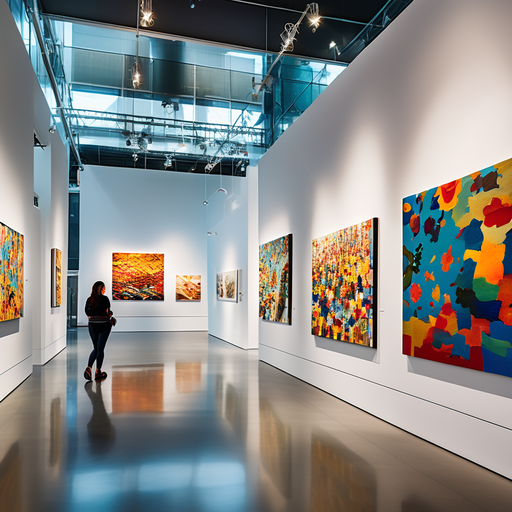
What is the difference between fine art and commercial art?

Fine art refers to art created primarily for aesthetic appreciation or intellectual stimulation, often without consideration for commercial value. It includes painting, sculpture, drawing, printmaking, and other forms of visual expression. Commercial art, on the other hand, is created to serve a commercial purpose, such as advertising, branding, or illustration. While fine art is often valued for its artistic merit and creative expression, commercial art is created to communicate specific messages or promote products or services.
How do art movements influence the development of artistic styles?
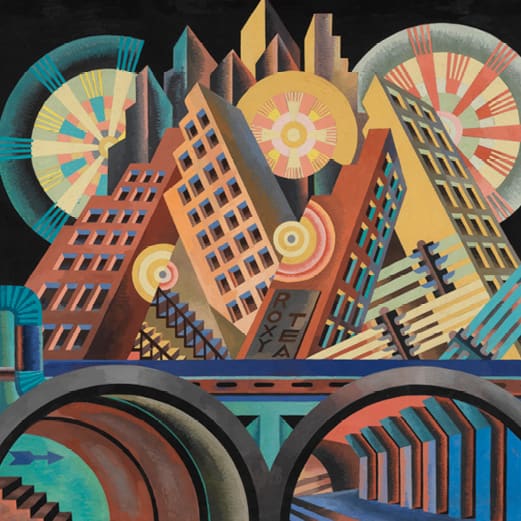
Art movements are periods in which artists share a common style, philosophy, or approach to creating art. These movements often arise in response to cultural, social, political, or technological changes and can have a significant impact on the development of artistic styles. Artists within a movement may share similar techniques, subject matter, or themes, and their work may reflect the values and ideals of the movement. Over time, art movements evolve and influence subsequent generations of artists, contributing to the diversity and richness of artistic expression.
What role does art conservation play in preserving cultural heritage?

Art conservation is the practice of preserving and restoring artworks to maintain their aesthetic, historic, and cultural value for future generations. It involves a range of scientific, technical, and ethical considerations, including the use of appropriate materials and techniques to prevent deterioration and damage, as well as the careful documentation of interventions. Art conservation helps safeguard cultural heritage by protecting artworks from environmental factors, such as light, humidity, and pollutants, as well as from physical damage, vandalism, and theft. By preserving artworks, conservation ensures that they remain accessible and meaningful to future audiences.
How do museums and galleries contribute to the appreciation and understanding of art?
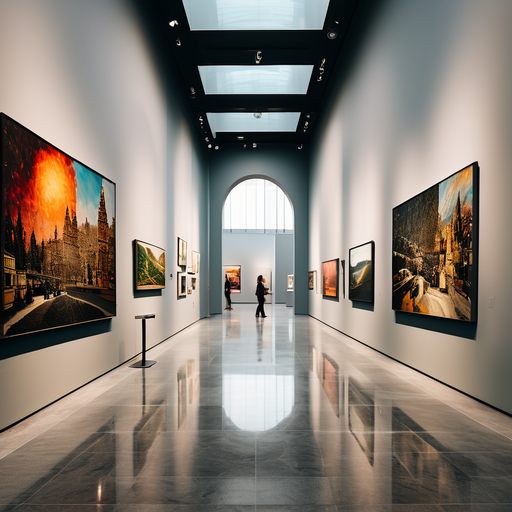
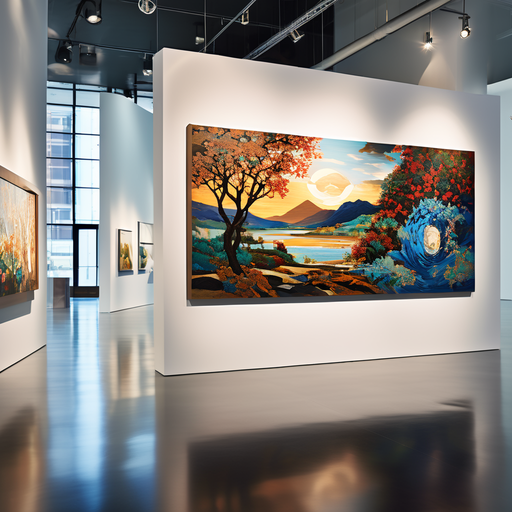
Museums and galleries play a crucial role in promoting the appreciation and understanding of art by providing spaces for the display, interpretation, and study of artworks. They offer opportunities for audiences to engage with art first-hand, whether through curated exhibitions, educational programs, or public events. Museums and galleries also serve as custodians of cultural heritage, preserving and protecting artworks for the benefit of present and future generations. Through their collections and activities, they contribute to the dissemination of knowledge, the fostering of critical thinking, and the celebration of artistic creativity.
Do you think each art should have a purpose in it?
The concept of art having a specific purpose can vary depending on one’s perspective and the context in which the art is created or appreciated. Some people believe that art should serve a clear and defined purpose, whether it’s to convey a message, provoke thought, evoke emotion, or fulfil a particular function within a space or society.
Others argue that art can be purposeless or exist for its own sake, valued primarily for its aesthetic qualities, creativity, and the subjective experience it offers to viewers. This perspective embraces the idea of art as a form of self-expression, exploration, and experimentation, where the artist’s intentions may be open to interpretation or may evolve.
Ultimately, whether art should have a purpose or not depends on individual perspectives and the cultural, historical, and philosophical contexts in which art is created and appreciated. Some artworks may have clear intended purposes, while others may invite viewers to find their meanings and interpretations, fostering a more open-ended and subjective experience. Both approaches have their merits and contribute to the rich diversity and complexity of the art world.
Why one should purchase an art for their home or office?

There are several reasons why purchasing art for your home or office can be beneficial:
Aesthetic enhancement: Artwork adds beauty and visual interest to a space, enhancing its overall ambiance and appeal. It can serve as a focal point or complement the existing decor, making the environment more visually engaging.
Personal expression: The art you choose reflects your personality, tastes, and values. It provides an opportunity to express yourself and create a space that feels uniquely yours. Whether you prefer bold, abstract pieces or serene landscapes, your choice of art can convey a sense of identity and style.
Emotional impact: Art has the power to evoke emotions and provoke thought. It can inspire, uplift, or even challenge viewers, fostering a deeper connection with the space and the artwork itself. The presence of meaningful art can create a more inviting and comfortable atmosphere, making the space feel more welcoming and enjoyable.
Conversation starter: Art often sparks conversation and stimulates dialogue among visitors. Whether it’s a striking painting, a thought-provoking sculpture, or a captivating photograph, art can serve as a conversation starter and encourage interaction among guests, fostering a sense of community and connection.
Investment potential: While not all art purchases should be viewed solely as investments, acquiring pieces from emerging or established artists can potentially increase in value over time. Collecting art can be a rewarding long-term investment, both financially and personally, as you support artists and contribute to the cultural landscape.
Support for artists: Purchasing art directly supports artists and helps sustain the creative community. By investing in art, you enable artists to continue their practice, pursue their passion, and make a living from their work. Your patronage plays a vital role in fostering artistic innovation and cultural development.
Overall, purchasing art for your home or office can enrich your environment, stimulate your senses, and contribute to a greater appreciation of creativity and culture. Whether you’re drawn to a particular style, artist, or theme, investing in art can bring joy, inspiration, and meaning to your space.
Conclusion
In conclusion, delving into the world of art through thought-provoking questions reveals its multifaceted nature and enduring significance. From contemplating the purpose of art to exploring the influence of art movements and the role of conservation, each inquiry offers insight into the diverse ways in which art enriches our lives. Museums and galleries serve as vital hubs for the appreciation and preservation of artistic heritage, while the distinction between fine art and commercial art underscores the breadth of creative expression. As we navigate these questions and embrace the complexities of artistic exploration, we deepen our understanding of culture, history, and the human experience. Let us continue to engage with art, both as creators and admirers, fostering creativity, dialogue, and appreciation for the boundless possibilities it presents.